




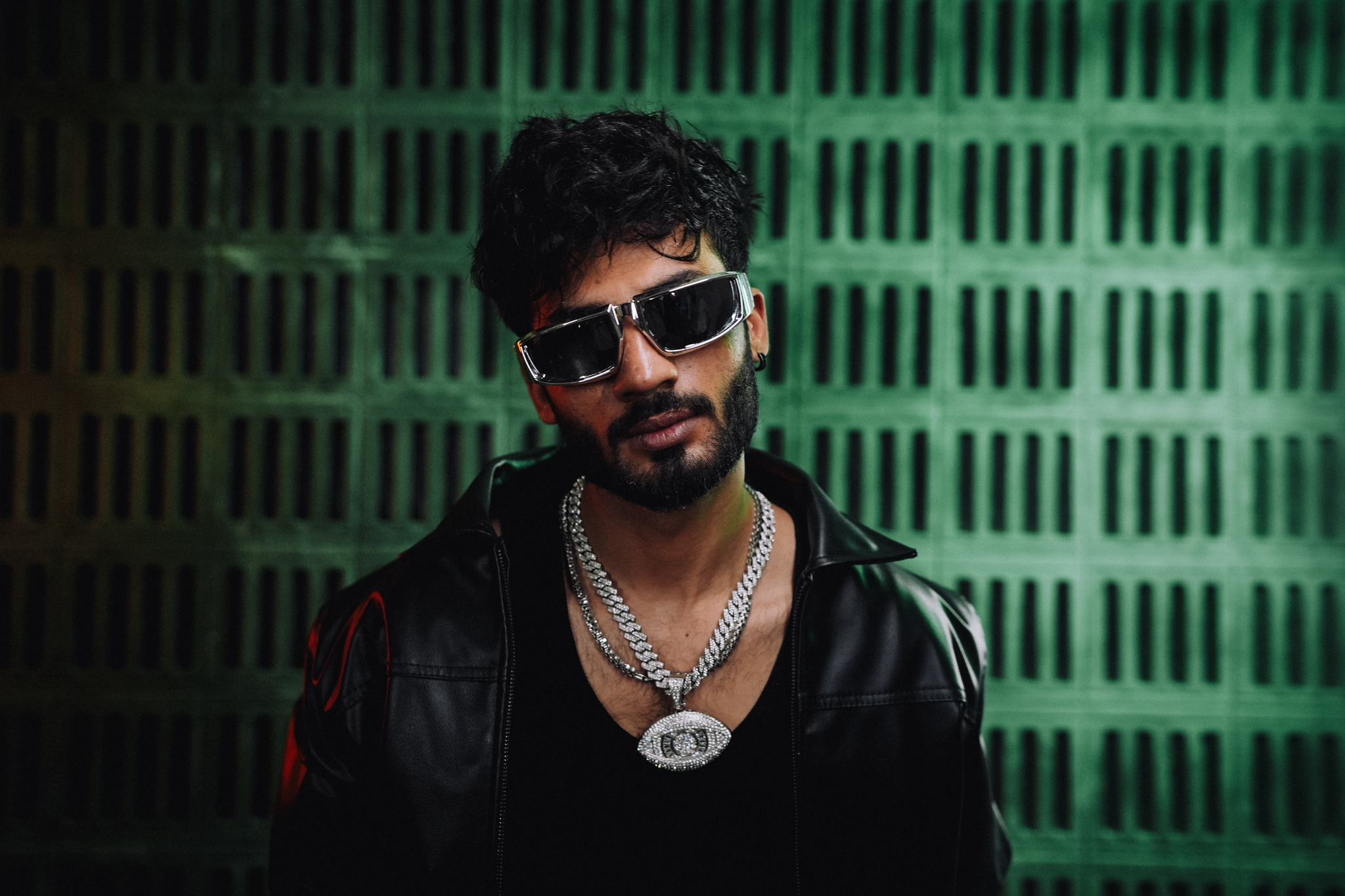

The desi hip-hop scene has spent the last few weeks fixated on one of its most talked-about exchanges in recent memory — a six-round lyrical battle between Karachi’s JANi and India’s Panther that started as a creative clash and, depending on who you ask, became something far bigger than music.
The tension traces back to April 2025, in the aftermath of the Pahalgam attack, when comments Panther made on an Instagram Live upset Pakistani fans and artists. JANi voiced his disappointment publicly, but things cooled — until Panther’s Hajamat performance on Red Bull 64 Bars was read by many as a veiled shot at Pakistan’s rap scene.
The real exchange kicked off in June 2026. JANi opened with Nonchalant, pure lyrical challenge, no politics attached. Panther replied, but began edging beyond the music. JANi countered again, staying disciplined. Then came the turning point: Panther’s next drop introduced religious undertones, pulling the beef into territory that had nothing to do with rap. JANi responded once more — clean, focused, refusing the bait. Panther fired a final shot, leaning further into India-Pakistan rivalry rather than bars.
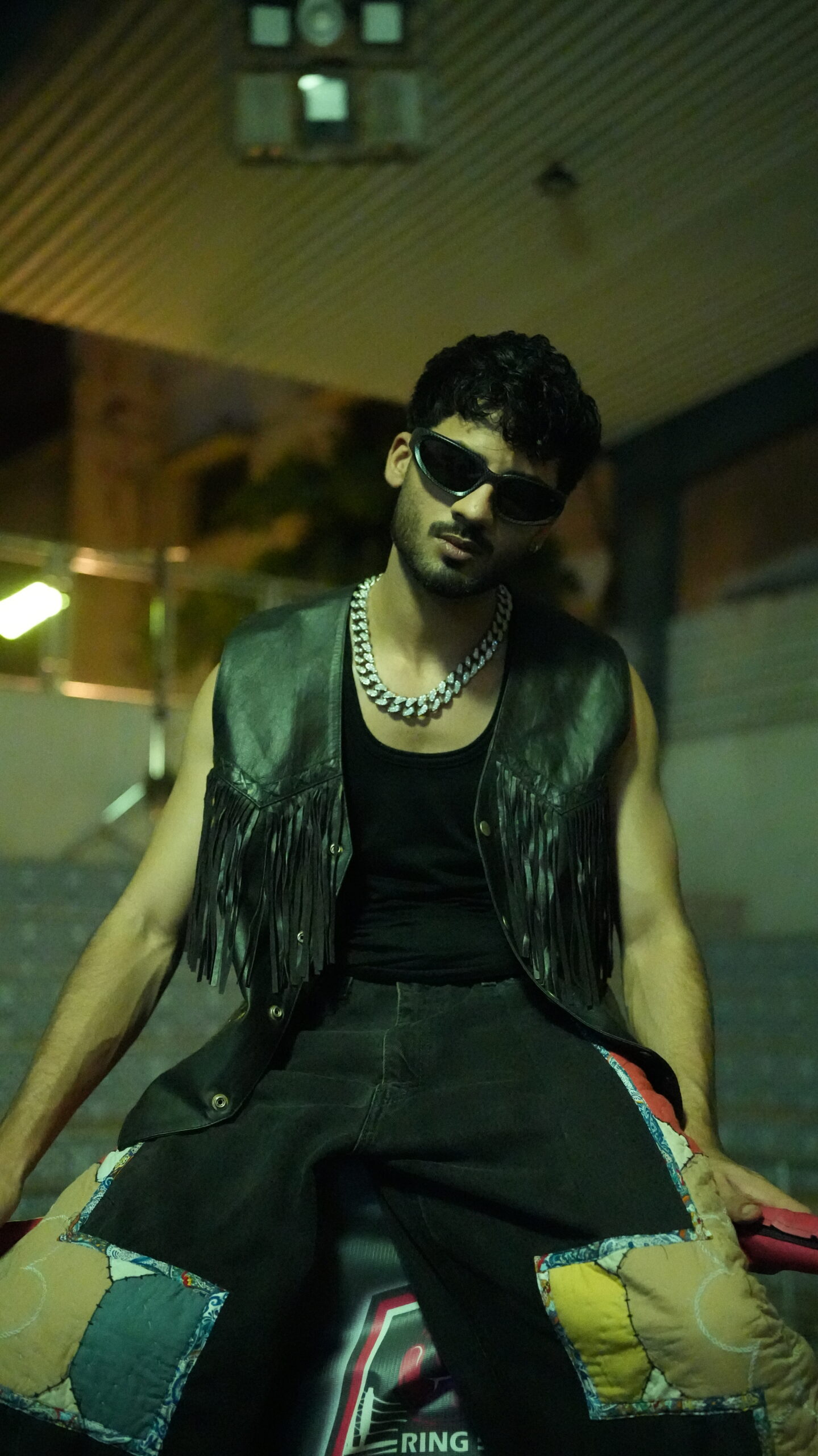
JANi never replied to that sixth track. For many fans, the silence said more than another verse could have.
What separates this beef from the usual cycle isn’t just the lyricism — it’s the contrast in conduct. JANi treated it as art should be treated: technique, wordplay, substance. Panther, especially late, reached for nationalism and religion instead — tools built for virality, not verses.
In the end, JANi didn’t need the noise. He let the work speak, stayed composed when things turned ugly, and walked away from a fight he never asked to expand. That restraint might be the most lasting part of this entire story.