




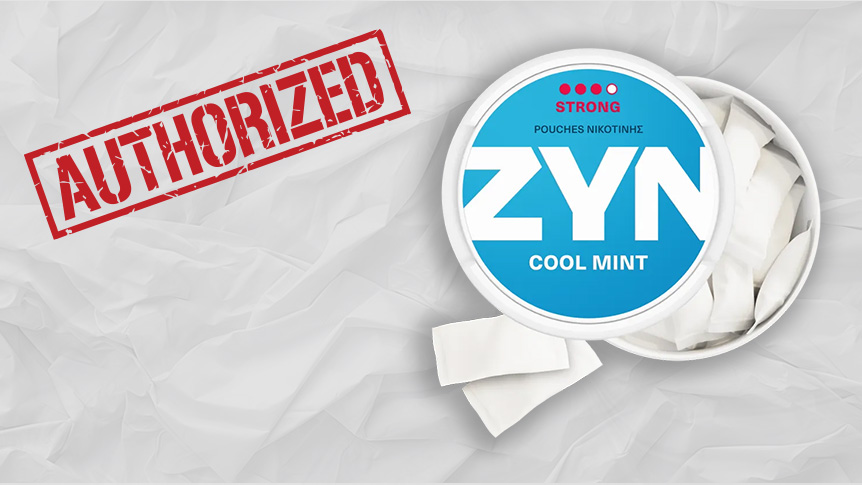

The U.S. Food and Drug Administration (FDA) has authorized the marketing of Zyn nicotine pouches as a reduced-risk alternative to traditional cigarettes, reinforcing the role of harm reduction in tobacco control. By delivering nicotine without the harmful effects of tobacco combustion, Zyn offers smokers a better alternative. As the U.S. moves forward with this approach, it raises an important question: How should countries like Pakistan respond to evolving harm reduction strategies?
Pakistan has one of the highest smoking rates globally, with approximately 25 million tobacco users. According to the World Health Organization (WHO), over 160,000 Pakistanis die each year due to tobacco-related illnesses, placing immense pressure on the healthcare system. In 2019, the economic burden of smoking-attributable diseases and deaths was estimated at USD 3.85 billion. Given these figures, alternative nicotine products like Zyn and Velo could present a potential solution.
The challenge, however, lies in Pakistan’s regulatory framework—or the lack thereof. While nicotine pouches are available in the market, they remain unregulated. Unlike the U.S., where FDA oversight ensures safety and quality standards, Pakistan lacks formal policies governing these products. This regulatory gap leaves consumers vulnerable to misinformation and potential health risks while also preventing public health authorities from integrating harm reduction into national smoking cessation efforts.
International success stories highlight the benefits of harm reduction policies. Many European countries, is on track to become the ‘smoke-free’ countries in the European Union, with smoking rates dropping to just 4.5%. The model which embraces better nicotine alternatives, demonstrates how harm reduction can drive public health improvements. Similarly, the FDA’s authorization of Zyn reflects a strategic shift toward regulated, reduced-risk products as a means of combating smoking-related illnesses.
Pakistan stands at a crossroads. The demand for nicotine remains high, driven by economic and social stressors, yet the country lacks a regulatory approach to safer alternatives. Establishing a framework for nicotine pouches could help smokers transition away from traditional cigarettes, reducing the nation’s healthcare burden and ultimately contributing to public health improvements.
With global regulatory bodies acknowledging nicotine pouches as a harm reduction tool, Pakistan must decide whether it will follow suit or continue to lag behind in adopting innovative strategies for tobacco control. The FDA’s decision provides a precedent—now, it is up to policymakers in Pakistan to take the next step.