




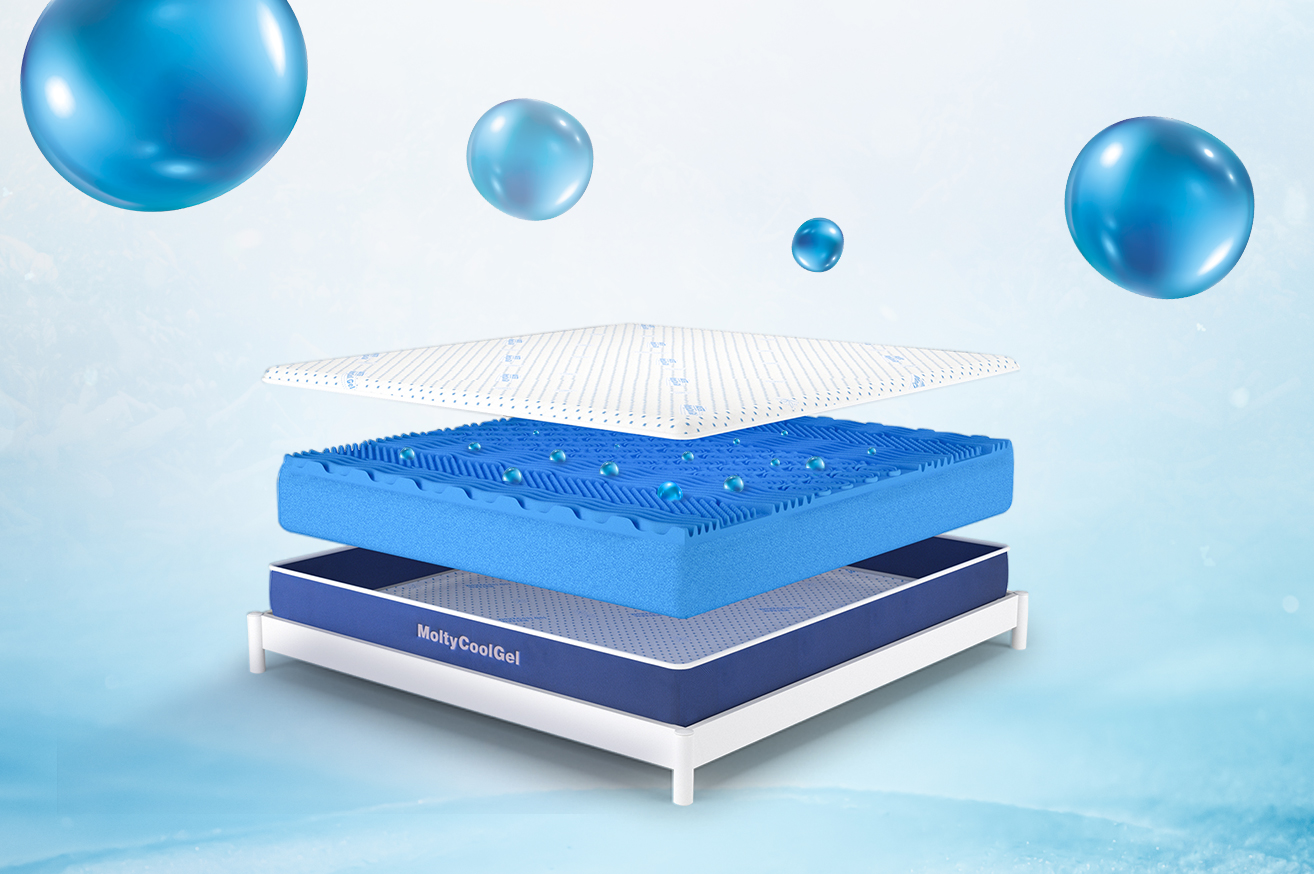

“Cooling mattress” has become one of the most common phrases in Pakistan’s bedding market. Almost every major mattress brand now offers a cooling variant. Yet for many buyers, the term remains unclear.
Does a cooling mattress actually stay cold? Do all gel mattresses provide the same cooling effect? Is a breathable cover enough for Pakistan’s summers? The answer is more complicated.
A mattress cannot actively produce cold like an air conditioner. What cooling technology can do is manage heat in different ways. Some technologies absorb heat. Some improve airflow. Others control moisture or maintain the structure needed for long-term performance.
The important question is not whether a mattress has a “cooling” label. The important question is which cooling technology it uses, what problem it solves, and whether the construction supports that technology over time.
This guide explains the major cooling mattress technologies available today and what buyers should look for before making a decision.
First, Understand What “Cool” Actually Means in a Mattress Context
When people talk about a mattress feeling cool, they usually mean one of three things:
1. Heat Absorption
Some materials absorb excess heat from the body and help prevent the sleeping surface from becoming warmer.
2. Heat Dissipation
Some constructions allow heat to move away from the sleeping surface instead of collecting inside the mattress.
3. Moisture Management
Some fabrics and treatments help manage sweat and humidity, creating a fresher sleep environment. These are different challenges, and no single technology solves all three.
A mattress may feel cool initially because of a surface material, but long-term cooling depends on the complete construction. The foam density, airflow structure, support system, and fabric technology all influence how well a mattress performs in warm conditions.
Technology 1 — Gel-Infused Foam
Gel-infused foam is one of the most widely used cooling technologies in mattresses today.
How It Works
Gel particles or beads are integrated into foam layers to absorb and distribute body heat. Instead of allowing heat to remain concentrated around the sleeper, gel technology helps spread warmth more evenly.
This makes gel foam particularly useful in warmer climates where heat buildup inside the mattress can affect sleep comfort.
A gel foam mattress in Pakistan can be a practical choice for summer conditions because it addresses one of the biggest causes of discomfort: heat retention within foam layers.
The Limitation
The effectiveness of gel technology depends heavily on the quality of the foam surrounding it.
A low-quality foam base can compress faster over time. When the foam structure changes, the gel particles may no longer perform as effectively. The mattress may feel comfortable initially but lose consistency as the materials age. The technology itself is proven. The difference comes from how well it is integrated.
What Buyers Should Look For
A credible gel mattress should explain:
- Where the gel is placed within the mattress
- Whether it is integrated into the foam structure
- What type of foam supports the gel layer
- Whether the brand provides quality assurance information
Simply mentioning “cool gel” without explaining the construction provides limited information.
Technology 2 — Open-Cell Foam and Airflow Structures
Cooling is not only about absorbing heat. It is also about preventing heat from getting trapped.
Open-cell foam and airflow structures are designed to improve ventilation inside the mattress.
How It Works
Traditional dense foam can restrict air movement. Open-cell structures create small pathways within the foam, allowing heat and moisture to move more freely.
Some mattresses also use physical airflow channels or grooves within the foam layers to improve ventilation.
The Limitation
Airflow technology prevents heat buildup, but it does not actively absorb existing heat. This means airflow alone may not be enough during Pakistan’s hottest months, especially in areas where temperatures regularly exceed 40°C. For stronger cooling performance, airflow technology is often combined with heat-absorbing materials such as gel foam.
What Buyers Should Look For
Avoid vague claims such as “breathable foam” without explanation.
A reliable cooling mattress should explain whether airflow comes from:
- Open-cell foam structure
- Specially designed channels
- Layer spacing
- Spring ventilation
The construction detail matters more than the marketing term.
Technology 3 — Zone-Based Construction: The Cooling Benefit Nobody Talks About
Most buyers associate mattress zones with support. That is correct, but there is another benefit that receives less attention: airflow.
How It Works
Zone-based mattresses divide the sleeping surface into different support areas. These zones are designed to respond differently to various parts of the body.
For example:
- Heavier areas, such as hips, may receive stronger support
- Shoulder areas may allow more cushioning
- The lower back may receive additional stability
However, the grooves and channels created between zones can also improve internal ventilation. As the sleeper moves, these spaces allow air movement within the mattress structure.
Why This Matters
Unlike gel technology, which depends on material performance, structural airflow is built into the mattress design itself. This means it does not rely on a single cooling ingredient.
Some Pakistan-market mattresses, including products such as Celeste CoolGel and MoltyFoam Cool Gel range, use zone-based construction for both support and ventilation purposes. While the primary communication often focuses on posture support, the internal structure can also contribute to airflow.
Technology 4 — Hybrid Spring + Foam Construction
Hybrid mattresses combine foam comfort layers with a spring support system.
They are becoming increasingly popular because they offer benefits from both constructions.
How It Works
The foam layer provides:
- Pressure relief
- Body contouring
- Surface comfort
The spring layer provides:
- Structural support
- Responsiveness
- Air circulation
Unlike solid foam mattresses, spring systems contain open spaces that allow air to move through the base of the mattress.
This creates a natural ventilation advantage.
The Detail Most Buyers Miss: Spring Quality
Not all spring systems perform the same way. The long-term cooling advantage of a hybrid mattress depends on whether the spring structure maintains its shape over time. Technologies such as Double Heat Treated (DHT) or Triple Heat Treated (THT) spring wires improve durability and help springs maintain their resilience.
If springs lose their structure, the internal airflow channels reduce, affecting both support and ventilation. A hybrid mattress works best when both parts of the design are strong: the foam layer and the spring system underneath.
Technology 5 — Phase Change Materials (PCMs)
Phase Change Materials, commonly known as PCMs, represent one of the most advanced approaches to temperature management in sleep products.
How It Works
Unlike traditional cooling materials that simply move heat away, PCMs actively manage temperature changes. These materials absorb excess heat when body temperature rises and release stored heat when the surrounding temperature drops. This helps maintain a more balanced microclimate around the sleeper.
PCMs are already used in some premium international bedding and performance fabrics because of their ability to regulate temperature rather than simply provide a cooling sensation.
The Reality in Pakistan’s Market
While PCM technology is scientifically established, it is still limited in Pakistan’s mattress market. Some products mention terms like “temperature-regulating fabric” or “advanced cooling materials,” but buyers should look for clear information about the actual technology being used.
A genuine PCM-based product should explain:
- The type of PCM technology used
- Where it is integrated within the mattress
- How the temperature regulation works
Without this information, broad cooling claims should be evaluated carefully. As the local market continues to develop, PCM technology is likely to become more common, particularly in premium mattress categories.
Technology 6 — Moisture-Wicking and Antimicrobial Fabrics
The mattress cover is the first layer that comes into contact with the sleeper. While it is not the most powerful cooling component, it plays an important role in comfort and hygiene.
Moisture Management
During warm nights, sweating is a common reason for discomfort.
Moisture-wicking fabrics help move sweat away from the body, allowing the surface to feel drier and more comfortable.
This is different from heat management.
A fabric may reduce moisture discomfort without significantly changing the internal temperature of the mattress.
Antimicrobial Protection
Antimicrobial treatments address a different concern. They help reduce the growth of bacteria and microorganisms that can affect freshness over time.
Technologies such as FreshGuard, used across the Celeste mattress range, are designed to support better mattress hygiene by helping maintain a cleaner sleep surface.
The Important Distinction
Fabric technology matters, but it should not be considered the primary cooling solution. A mattress with excellent surface fabric but poor internal construction can still retain heat.
The most effective cooling systems combine:
- Internal heat management
- Structural airflow
- Surface moisture control
Why the Combination Matters More Than Any Single Technology
The biggest misunderstanding about cooling mattresses is the belief that one feature alone creates a cool sleeping experience.
In reality, effective cooling usually comes from multiple technologies working together.
| Technology | Problem It Solves | Limitation Without Other Systems |
| Gel infusion | Absorbs heat within the mattress core | Does not improve airflow or moisture control alone |
| Open-cell / airflow structure | Prevents heat accumulation | Does not actively absorb existing heat |
| Zone-based channels | Creates structural airflow and improves support | Does not address surface heat or moisture alone |
| Hybrid spring base | Provides continuous ventilation | Does not manage surface heat by itself |
| PCM technology | Actively manages temperature changes | Limited availability in Pakistan |
| Moisture-wicking fabric | Controls sweat and surface moisture | Has limited impact on internal heat |
The strongest cooling mattresses usually combine multiple approaches.
For example, a mattress may combine:
- Gel technology for heat absorption
- Airflow structures for ventilation
- Moisture management for surface comfort
This layered approach is generally more effective than relying on one cooling feature.
A Practical Verification Checklist Before Buying a Cooling Mattress
The term “cooling mattress” has become common, but buyers should look beyond marketing claims.
Before purchasing, consider these questions:
| What to Check | What a Credible Answer Looks Like |
| Gel Technology | A clear explanation of where and how gel is integrated |
| Airflow System | Specific details about channels, foam structure, or spring spacing |
| Fabric Technology | Named technology with a defined purpose rather than just “breathable fabric” |
| Foam Quality | Information about foam authenticity, density, or quality verification |
| Spring Construction | Details about coil type and treatment process |
| Warranty | Clear warranty terms reflecting confidence in construction |
| Trial Period | A genuine replacement or sleep trial policy |
A buyer does not need to understand every technical detail. However, a trustworthy manufacturer should be able to explain how each feature contributes to performance.
Red Flags When Buying a Cooling Mattress in Pakistan
Vague Cooling Claims
A mattress that only says “cool gel technology” without explaining the system behind it provides limited information.
Look for brands that explain:
- Cooling material
- Construction method
- Supporting technologies
No Information About Foam Quality
Cooling performance depends heavily on the material surrounding the cooling layer. Low-quality foam may lose shape faster, affecting both support and cooling performance.
Look for:
- Foam authenticity information
- Quality guarantees
- Construction transparency
Generic Zone Claims
Many mattresses mention “multi-zone” or “advanced zones,” but the purpose of those zones matters.
Useful zoning should explain whether it supports:
- Posture alignment
- Pressure relief
- Airflow channels
No Trial or Clear Warranty
A mattress is a long-term purchase. A genuine warranty and trial policy show that a manufacturer stands behind its product.
Buyers should understand:
- What the warranty covers
- How long coverage lasts
- Whether replacement support is available
The Bottom Line
Cooling mattress technology in Pakistan has improved significantly, but marketing has often moved faster than transparency.
Gel infusion, airflow structures, hybrid construction, zone technology, moisture management, and advanced materials like PCM are all real technologies. However, their effectiveness depends on how they are implemented and whether they work together as part of a complete mattress design.
A good cooling mattress is not defined by a single feature printed on the label. It is defined by thoughtful construction, quality materials, and a clear explanation of how each layer contributes to comfort.
When evaluating any cooling mattress, ask simple questions:
- How does it manage heat?
- How does it support the body?
- What materials are used?
- Is the construction explained clearly?
- Does the warranty reflect confidence in the product?
The answer to these questions usually reveals whether a cooling mattress is built for lasting performance or simply designed around a marketing term.
Frequently Asked Questions
What is the most effective cooling mattress technology?
There is no single technology that works best in every situation. The most effective cooling mattresses usually combine multiple systems, such as heat-absorbing gel, airflow structures, and moisture management.
Does gel foam really keep you cool through the night?
Gel foam helps absorb and distribute heat, but its performance depends on the overall mattress construction. A quality foam base and proper airflow are important for maintaining cooling performance over time.
What is the difference between open-cell foam and gel-infused foam?
Gel-infused foam focuses on absorbing and managing heat within the mattress. Open-cell foam focuses on improving airflow and preventing heat buildup. Many effective cooling mattresses combine both approaches.
Are phase-change material mattresses available in Pakistan?
Verified PCM mattress technology is still limited in Pakistan. Some products may mention temperature regulation, but buyers should look for clear technical details before assuming PCM technology is included.
What is FreshGuard technology in a mattress?
FreshGuard is an antimicrobial technology designed to help maintain mattress hygiene by reducing the buildup of bacteria and microorganisms on the fabric surface.
Does zone-based foam construction help with cooling?
Yes, zone-based construction can support airflow through internal channels and grooves. While its primary purpose is usually support and pressure relief, the structure can also improve ventilation.
How do I verify if a mattress’s cooling claims are genuine?
Look for specific explanations rather than general claims. A credible cooling mattress should explain its materials, construction, warranty, and how each technology contributes to temperature management.