





Pakistan’s healthcare landscape has entered a pivotal phase in the management of diabetes and obesity. For years, advanced incretin-based therapies—known globally for their role in blood sugar and weight control—remained out of reach for most local patients due to high import costs and limited supply. That gap is now beginning to close.
What Makes These Therapies Different
GLP-1 (glucagon-like peptide-1) and GIP (gastric inhibitory polypeptide) receptor agonists (RAs) are medications that replicate the body’s natural hormones responsible for managing insulin, appetite, and digestion. By acting on these metabolic pathways, they help reduce blood glucose, promote satiety, and often lead to significant weight loss.
Beyond their primary role in diabetes and obesity management, emerging research now highlights broader therapeutic benefits. GLP-1 and GIP RAs are showing promise across multiple metabolic diseases driven by obesity and insulin resistance, including:
- Metabolic Dysfunction–Associated Steatohepatitis (MASH):
A progressive liver disease linked to metabolic dysfunction, MASH affects over 2 billion people globally. If left untreated, it can advance to liver fibrosis, cirrhosis, and liver failure. GLP-1 and GIP RAs have shown potential in reducing liver inflammation and fat accumulation, offering hope for early intervention.
- Non-Alcoholic Liver Disease (NALD) / Non-Alcoholic Fatty Liver Disease (NAFLD):
Characterized by excess fat buildup in the liver unrelated to alcohol use, this condition often results from obesity, insulin resistance, and dyslipidemia. GLP-1 and GIP RAs may help reduce hepatic fat content, improve liver enzyme profiles, and slow disease progression—positioning them as potential therapies for NALD management.
- Chronic Kidney Disease (CKD):
Metabolic dysfunction contributes to kidney injury by promoting oxidative stress and inflammation. GLP-1 and GIP RAs have shown renal-protective effects by improving glycemic control, reducing inflammation, and preserving kidney function.
- Cardiovascular Diseases (CVD):
Obesity and insulin resistance are key drivers of hypertension, atherosclerosis, and heart failure. Clinical evidence indicates that GLP-1 and GIP RAs reduce Major Adverse Cardiovascular Events (MACE), improve lipid metabolism, and support overall cardiac health.
- Non-Alcoholic Steatohepatitis (NASH):
A severe inflammatory form of fatty liver disease, NASH can cause irreversible liver damage. GLP-1 RAs have demonstrated improvements in liver histology, making them a promising treatment avenue for this condition.
Collectively, these findings position GLP-1 and GIP receptor agonists not just as anti-diabetic or weight-loss medications, but as comprehensive metabolic therapies with potential benefits spanning multiple organ systems.
A Global Trend, Now Taking Root Locally
Internationally, drugs such as semaglutide and tirzepatide have reshaped treatment of type 2 diabetes and obesity, with outcomes surpassing many older regimens. In Pakistan, locally produced biosimilar versions—developed to meet international quality benchmarks—are now making these options more accessible. Biosimilars are biological medicines that are highly similar to previously approved reference products, demonstrating equivalent safety, quality, and efficacy through rigorous regulatory evaluation.
Several pharmaceutical companies in Pakistan have recently begun producing incretin-based therapies locally — marking a major step toward improved access and affordability. The introduction of a complete range of GLP-1 and GIP RA treatments reflects a growing focus on patient convenience, reducing barriers such as needle anxiety and complex dosing schedules that often lead to treatment discontinuation.
The Significance of Local Manufacturing
Until recently, imported versions of these therapies could cost five to ten times the average monthly household income, limiting sustained access for most patients. Local production now has the potential to reduce costs and stabilize supply—making advanced metabolic care accessible to a much larger patient population.
Dr. Faisal Masood Qureshi, a leading Endocrinologist from Multan, noted:
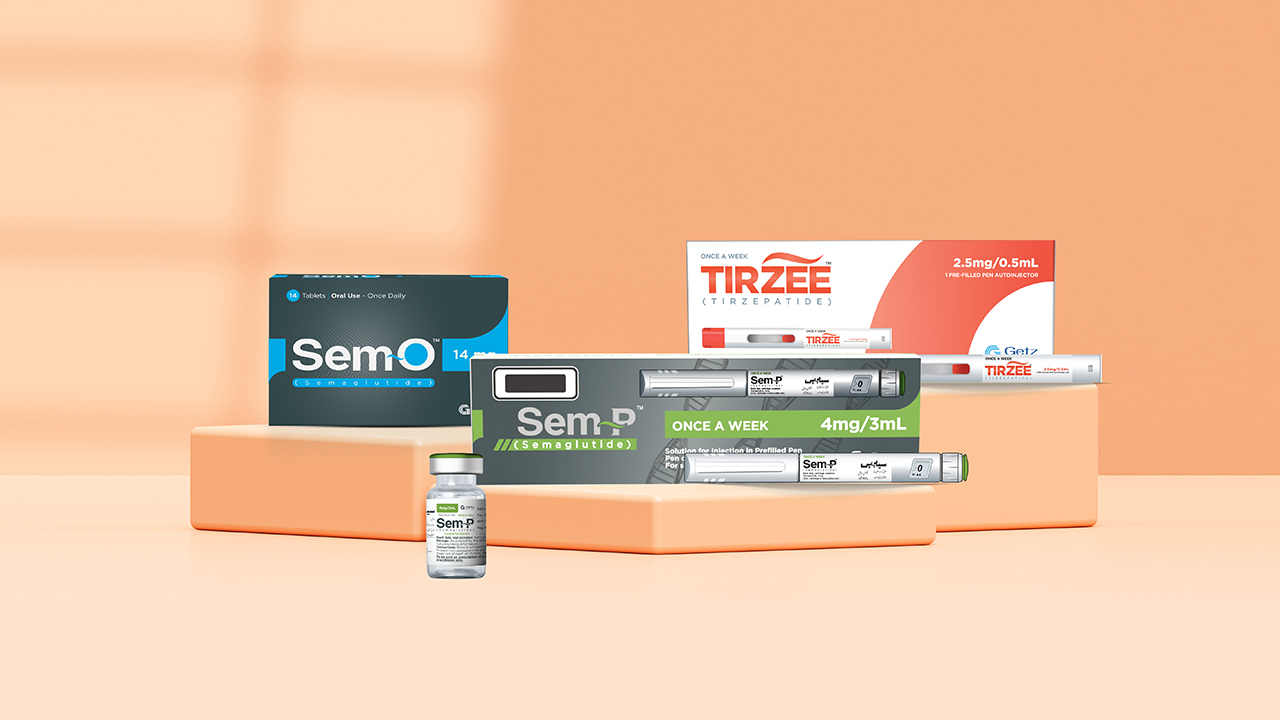
“Local manufacturing of advanced GLP therapies such as Sem-P and Tirzee has opened doors beyond individual patient care. Especially Sem-O, the oral GLP drug, has made it super convenient for patients to adhere to long-term therapy. These innovations can optimize healthcare resources and ease public health burdens by cutting diabetes and obesity complications within the next decade.”
Following Dr. Faisal’s remarks, further review revealed that these therapies—Tirzee (tirzepatide), SEM-P (injectable semaglutide), and SEM-O (oral semaglutide)—are being produced by Getz Pharma, the first company in the world to locally manufacture all three advanced GLP-1 and GIP receptor agonists. Each targets similar metabolic pathways while offering patients flexibility in administration and dosing.
The Role of Support and Education
Modern diabetes and obesity care extends beyond medication. Patients starting these therapies require lifestyle counseling, nutritional support, and consistent follow-up—factors that enhance adherence and long-term success. As prescription-only medicines, GLP-1 and GIP RAs must be initiated and monitored by qualified healthcare professionals, with individualized plans integrating treatment, diet, and physical activity.
A Shift Toward Equitable Metabolic Health
The local introduction of GLP-1 and GIP receptor agonists represents a turning point in Pakistan’s journey toward equitable access to advanced metabolic therapies. As affordability improves and clinical awareness grows, these medicines could redefine the nation’s approach to managing not only diabetes and obesity but also a broad spectrum of metabolic and organ-related diseases.
Continued regulatory oversight, clinician education, and patient awareness will be key to sustaining this progress and ensuring safe, evidence-based use of these life-changing therapies.